Human Acts
Han Kang
People die in the name of democracy. Some go to war. Others fight in smaller conflicts. And others still do little more than speak out against authoritarianism and pay the price.
While it’s debatable whether a two-party system with elected officials constitutes a true democracy, most people prefer the illusion of majority rule rooted in “people power” over rule by an iron fist. Those who grew up in democracies might take it for granted. Those who did not may romanticize it.
In May 1980, scores of South Korean students died for the cause. Military dictator Chun Doo-hwan had come to power following a coup six months earlier. True to form, Chun arrested opposition leaders, closed all universities, banned political activities and suppressed the press. The foundations of a better future felt further out of reach, especially for younger generations.
The student-led Gwangju Democratization Movement sought to counter Chun’s oppressive rule. They demanded liberty in its various forms: democratization, freedom of the press, freedom of speech and freedom of association. You might consider these “the basics.”
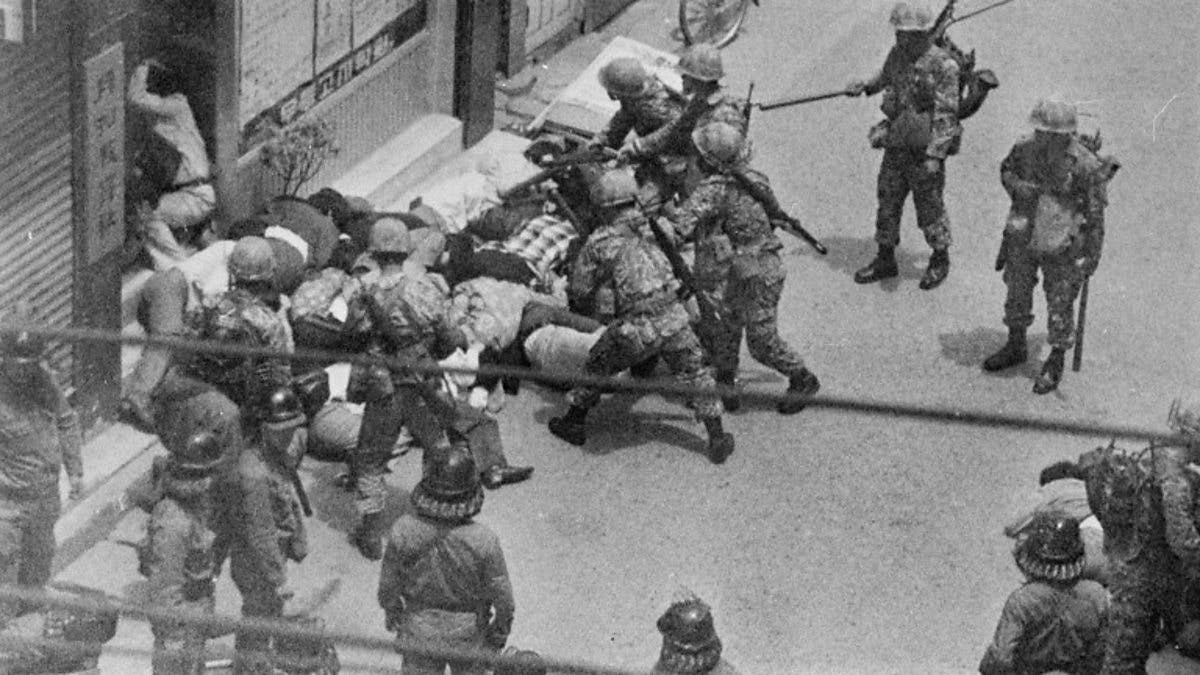
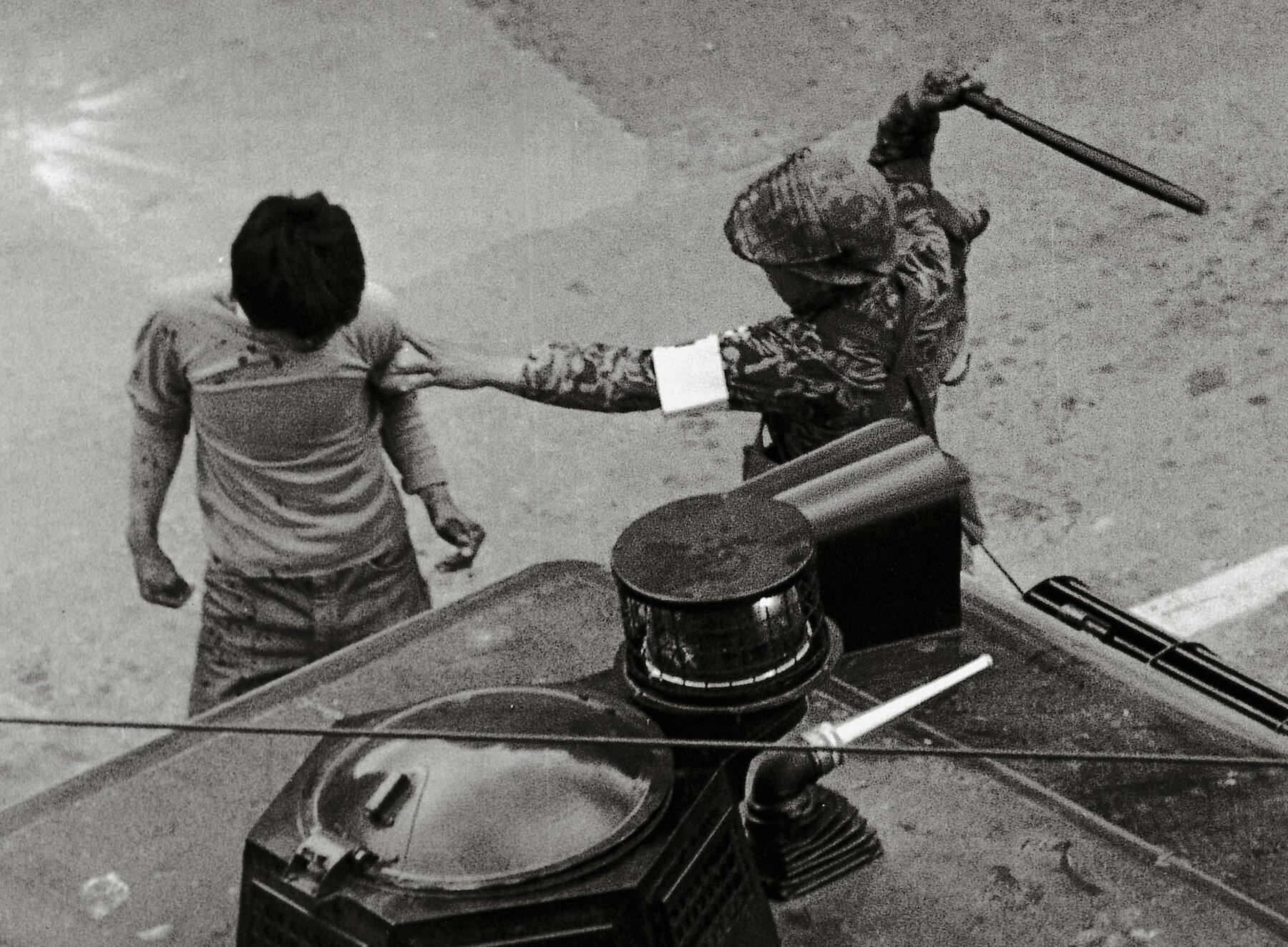
Pro-democracy protests quickly escalated into the ten-day Gwangju Uprising. Chun deployed the military to suppress demonstrations through force. The uprising began when the military shot at, killed, beat and tortured Chonnam National University students demonstrating against martial law. A week and a half later, the uprising came to an end.
The government put the official death toll at 165. Anyone who disputed these figures was liable for arrest. Decades later, historians estimate as many as 2,300 victims.
In Human Acts, Han Kang explores the Gwangju Uprising and its impact on society. The book takes shape as a series of short stories that provide different perspectives on the uprising. In the first story, we follow as the protagonist searches for his friend’s body in the wake of the massacre. In the second, we get the friend’s perspective in the immediate aftermath of his death, as his corpse is piled among others and his soul leaves his body.
The remaining stories move forward in time. In the third, we meet an editor who, five years after the uprising, struggles with trauma and censorship in her work. In the fourth and fifth we get perspectives from those who were tortured, both struggling many years later. We meet a mother in the sixth story; three decades after the uprising she still struggles with the loss of her son.
The final story comes from Han Kang herself. Written in 2013, she writes of how researching the novel put her into a nightmare-driven depression. Han tells of having left a wedding shortly after the ceremony because she couldn’t endure the presence of other people, their smiles, the cheerful mood, all while she was knee deep in tragedy.
Initially, I considered abandoning the book. Han wrote the first story from the second-person perspective, which rarely works. With the exception of Bright Lights, Big City, which I haven’t read, I cannot think of any celebrated work of fiction written in the second person. There’s a reason for that: It rarely works. I’m glad that I pressed on. Only the first story takes on the second-person perspective. The rest come from the first- and third-person perspectives. On their own, each story is strong. Together, they send a powerful message about the long-lasting impact of tragic historical events.
Human Acts is a personal book written on behalf of a nation. On a personal level, Han was born and raised in Gwangju. On a national level, it was a dark story long overdue for exploration. Han’s fiction made the horror of the past approachable though no less painful. It’s not surprising she won the Nobel Prize.
While I have no connection to South Korea, the book resonated because it’s now very easy to imagine something like the Gwangju Uprising happening in the U.S. As I write, the media is on fire with headlines about ICE killing a second protestor. Once again, the narratives clash. Protestors are being labeled “domestic terrorists.” Right-wing aggression is pressure testing American liberties like freedom of speech and freedom of association. It’s not to imagine a third shooting in the near future and many more afterward. What sad, strange times.