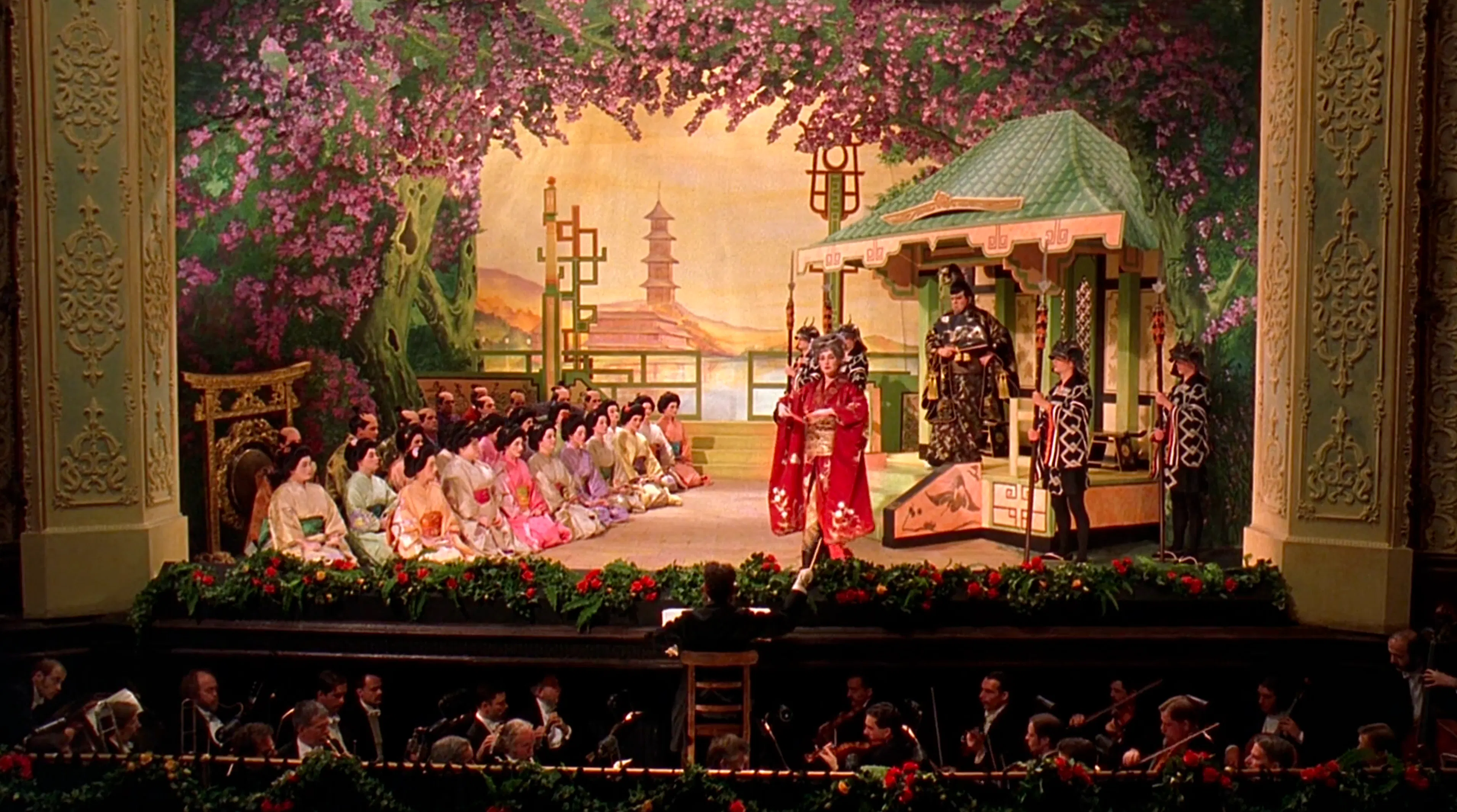
Topsy-Turvy
Mike Leigh
Can creative conflict produce something new? Topsy-Turvy explores that question through the theatrical partnership of dramatist W. S. Gilbert and composer Arthur Sullivan. The two collaborated on fourteen comic operas between 1871 and 1896, now often called the Savoy Operas.
Around the midpoint of their partnership, they hit a rough patch. Sullivan fell ill and, reflecting on his life’s work, decided he wanted to pursue more serious music. Gilbert tried, but could not persuade him to embark on another comic opera.
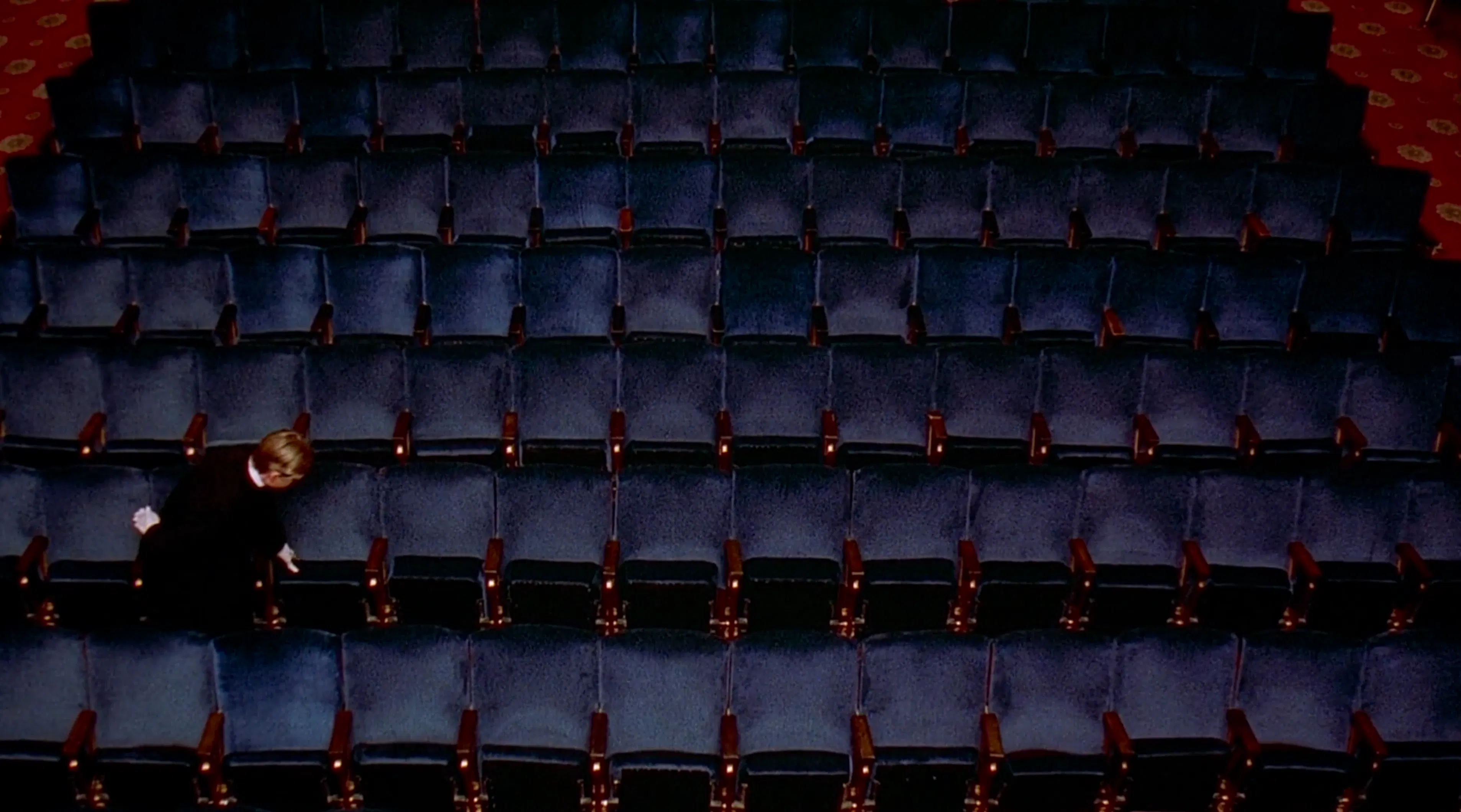
Gilbert initially proposed a new opera built around a magic lozenge that would transform the characters. Sullivan was not having it. He found the idea artificial and lacking in “human interest and probability.” Also, come on, Gilbert. Another magic device? Really? Drop it.
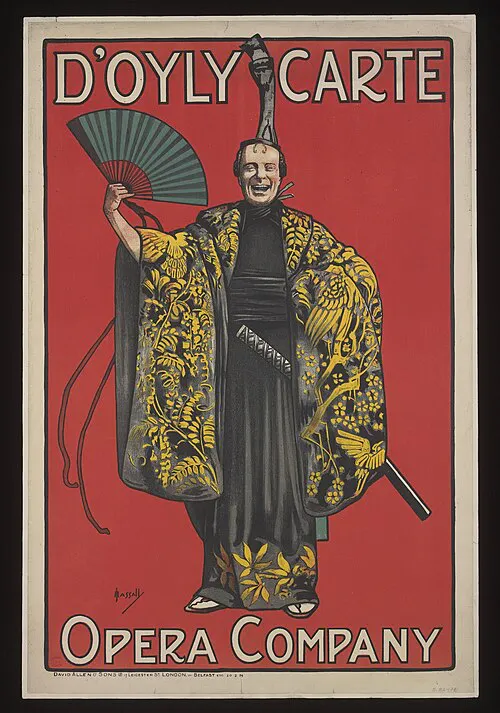
The two remained at an impasse until Gilbert’s wife dragged him to a Japanese Village exhibition in Knightsbridge. The story goes that this inspired Gilbert to write The Mikado, which satirised English bureaucracy beneath a thin Japanese disguise. Apparently, that story is not true. Records show the exhibition took place months after The Mikado premiered. Still, it is a good story.
Right, so the film: Topsy-Turvy is my first Mike Leigh. It covers the 15-month period in 1884 and 1885 leading up to the premiere of The Mikado. It explores the creative conflict between Gilbert and Sullivan and follows their decision to continue the partnership.
I am not usually one for period pieces, especially slow burns, but I found this extraordinary. For a start, the sets are fantastic. Did they find these antique-filled rooms or make them? The attire too. All of it feels real.
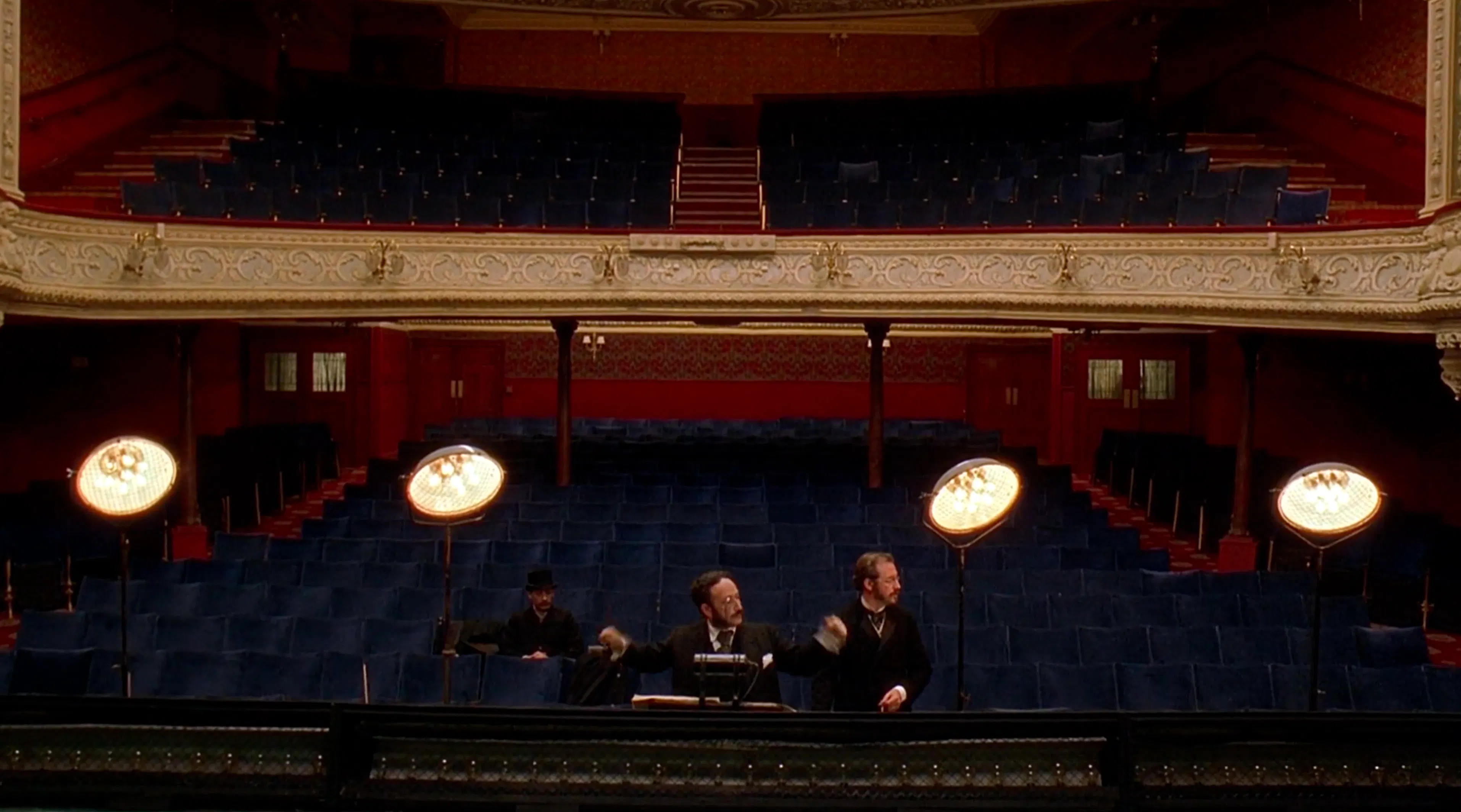
The acting is stupendous. The rehearsal scenes, with Gilbert instructing the performers, feel so natural that they barely seem scripted at all. Sharp wit. Sharp lines. Jim Broadbent and Allan Corduner are incredible as Gilbert and Sullivan.
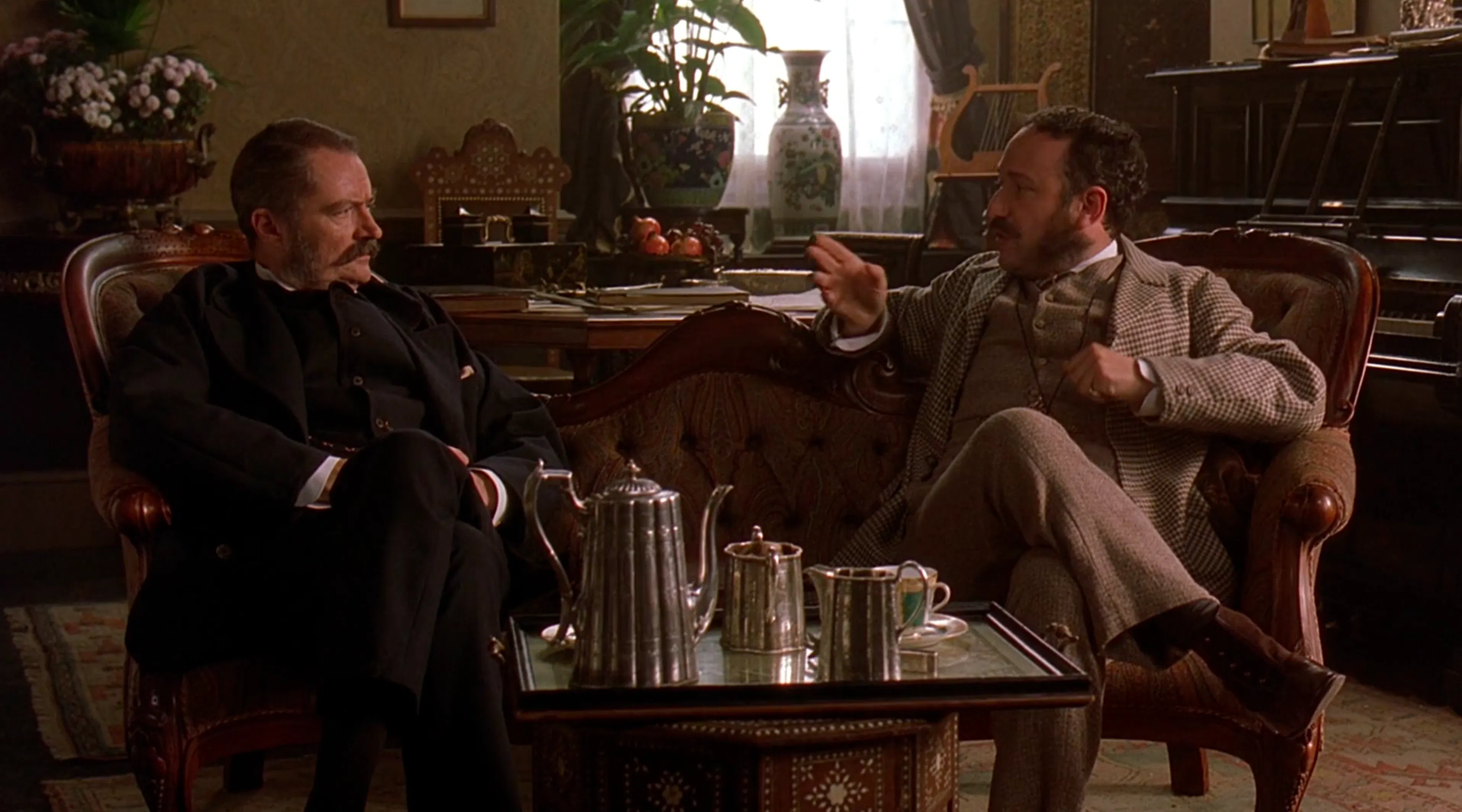
That naturalism reflects something known as the Mike Leigh method. Rather than beginning with a completed screenplay, Leigh works closely with his actors to build hyper-real, three-dimensional characters from scratch through months of intensive, secretive rehearsals and improvisation.
Apparently, the actors do not know the film’s overarching story, nor do they know anything about the other characters beyond what their own character would naturally know. Eventually, they are introduced to one another in character and begin improvising shared histories and conflicts.
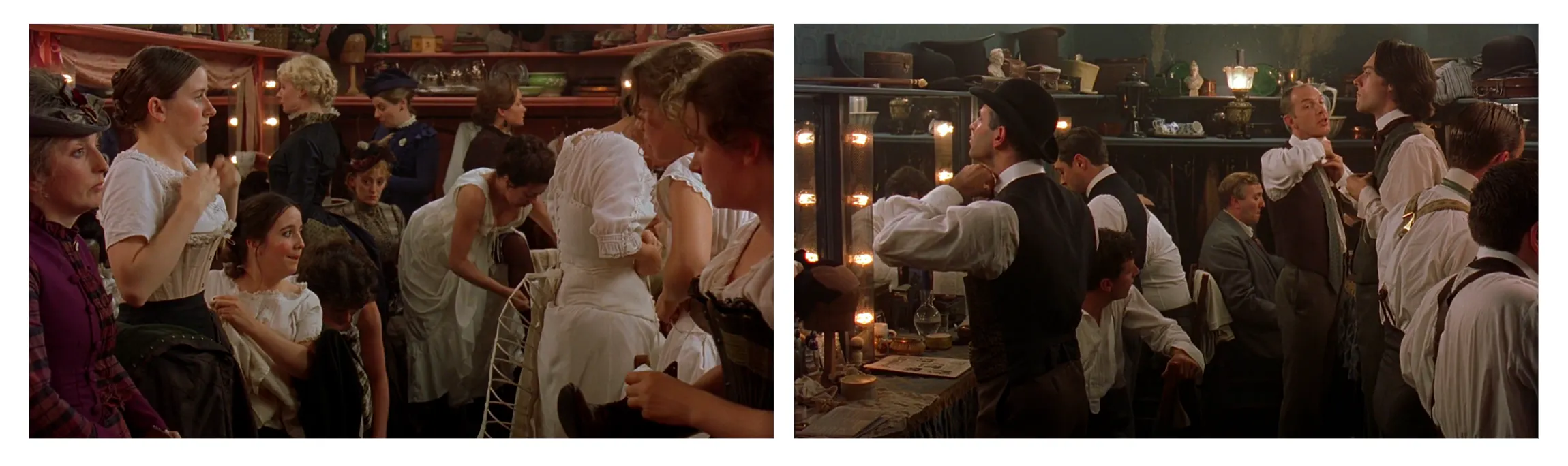
Once the characters and dramatic world have been fully explored, Leigh “fixes” the film, shaping the final dialogue and scenes directly from the outcomes of those rehearsals. Wild.
And then there is the music. The cast performed all their own singing, along with the live instrumentation, including members of the pit orchestra and background performers. It really shows.
While this is not the most exciting film in the world, it is masterful on many fronts. I will certainly be checking out more Mike Leigh.