Tokyo Ga
Wim Wenders
Wim Wenders loves Yasujirō Ozu. He loves Ozu’s films so much that he travelled to Japan in search of the Tokyo Ozu captured on screen. The city he found disappointed him. That search and that disappointment form the backbone of Tokyo-Ga.
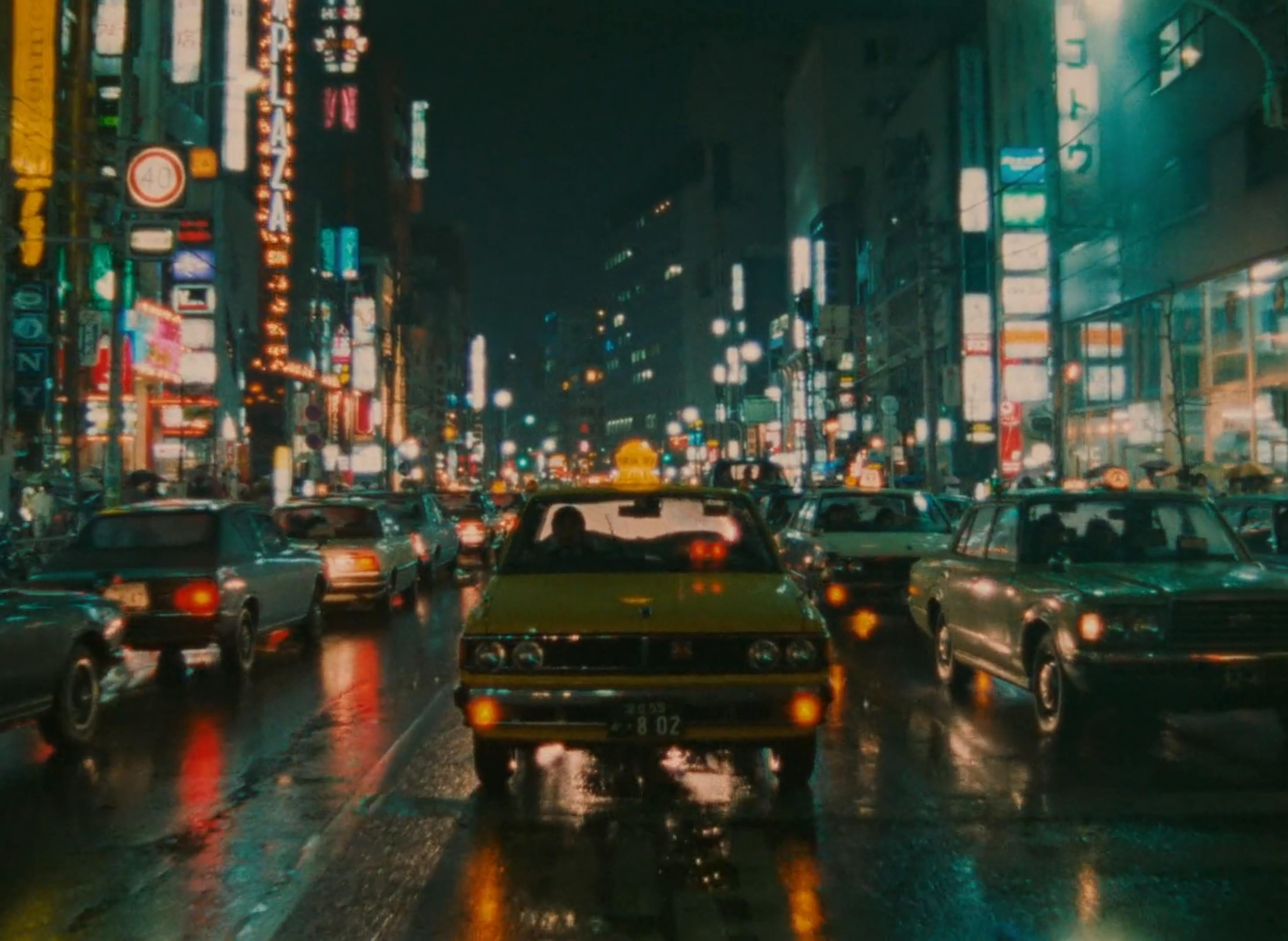
Filmed in 1983, the documentary moves between Wenders’ reflections on Japan and interviews with people who worked with Ozu. I don’t agree with all of Wenders’ observations, but his curiosity is compelling and the footage is extraordinary. Tokyo in its prime; what a place to be.
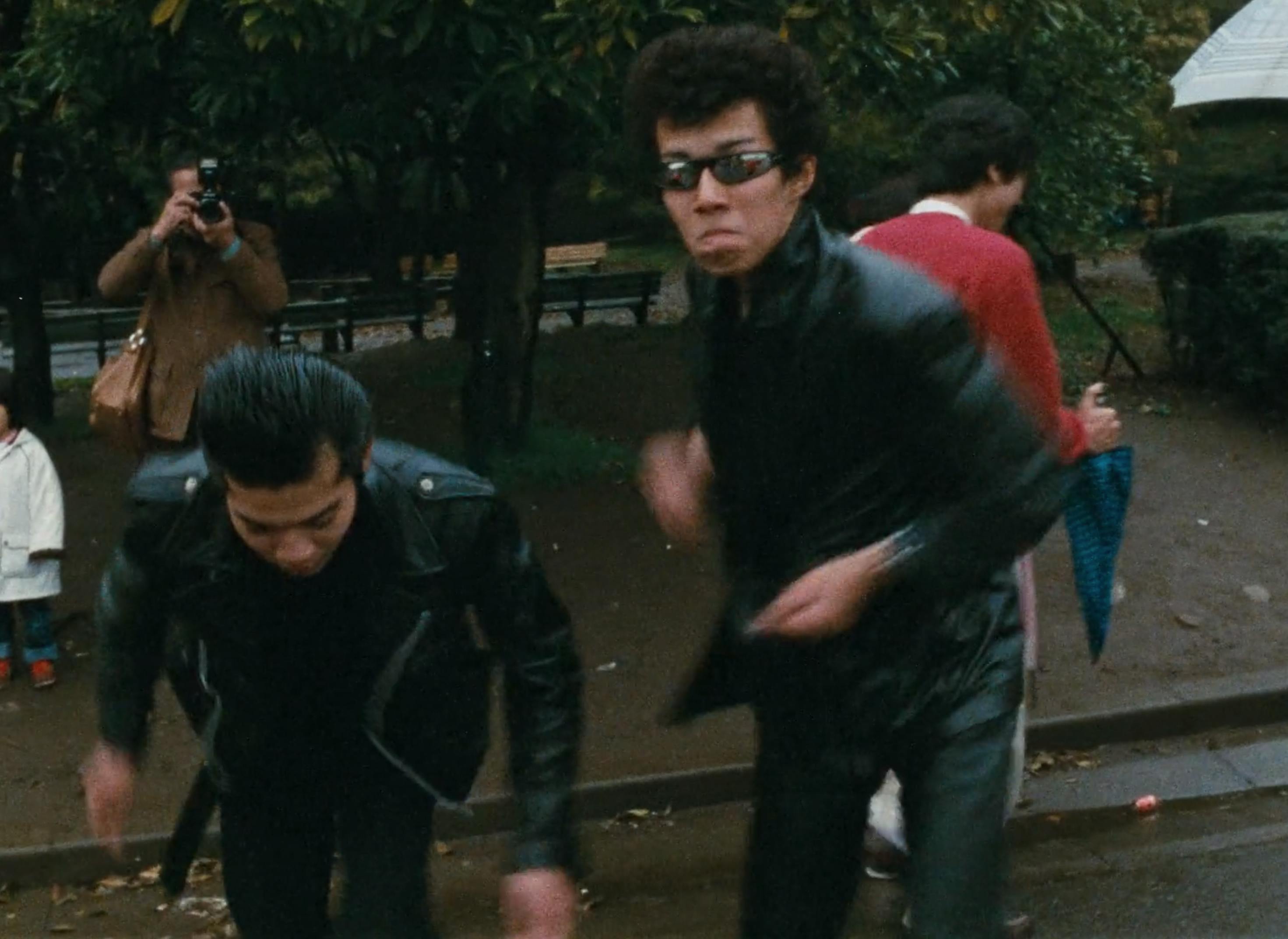
Wenders watches the making of shokuhin sampuru (食品サンプル), the hyper-real food replicas displayed outside restaurants. He spends long stretches inside pachinko parlours, watching players and observing technicians service the machines after closing time. There’s also a wonderful sequence at the Rockabilly Club. It’s striking to see people dancing near Yoyogi Park around the time I was born, and to remember that nearly thirty years later, when I lived there, others were doing exactly the same thing.
While in Tokyo, Wenders meets Werner Herzog. He also encounters Chris Marker in a bar called La Jetée, named after Marker’s photo roman. Marker released his own documentary called Sans Soleil that year, with passages shot in Tokyo.
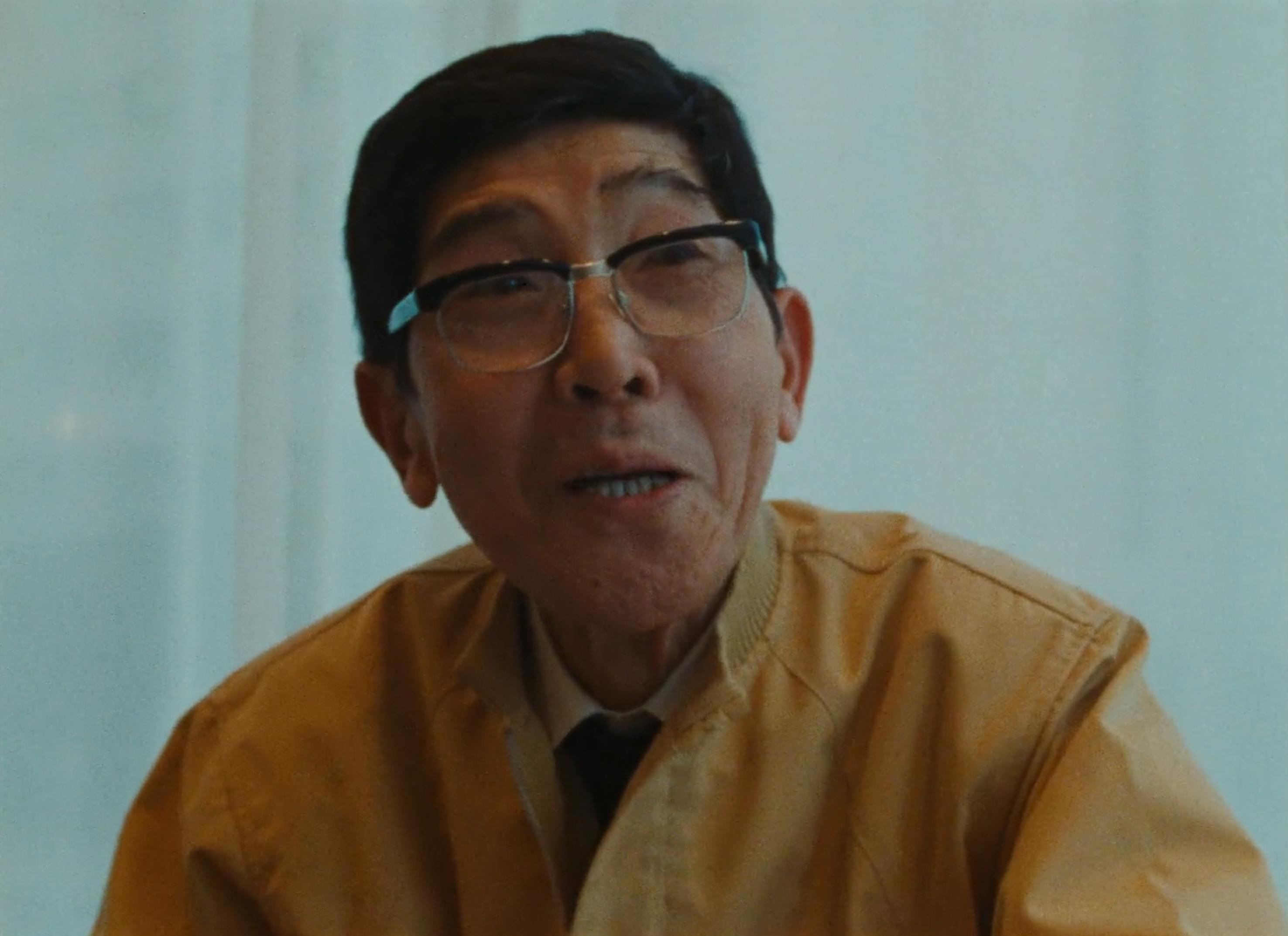
The least visually dynamic sections are the most affecting: conversations with an aging actor who appeared in Ozu’s films and, later, with one of Ozu’s cameramen. Time has rendered the actor anonymous; no one recognizes him anymore. It’s a blunt reminder that we all fade. The cameraman eventually breaks down in tears as he describes how deeply Ozu shaped his life. If only we could leave that kind of mark on the people around us.
Tokyo-Ga works because of Tokyo itself. Set in any other city, it would lose much of its power.