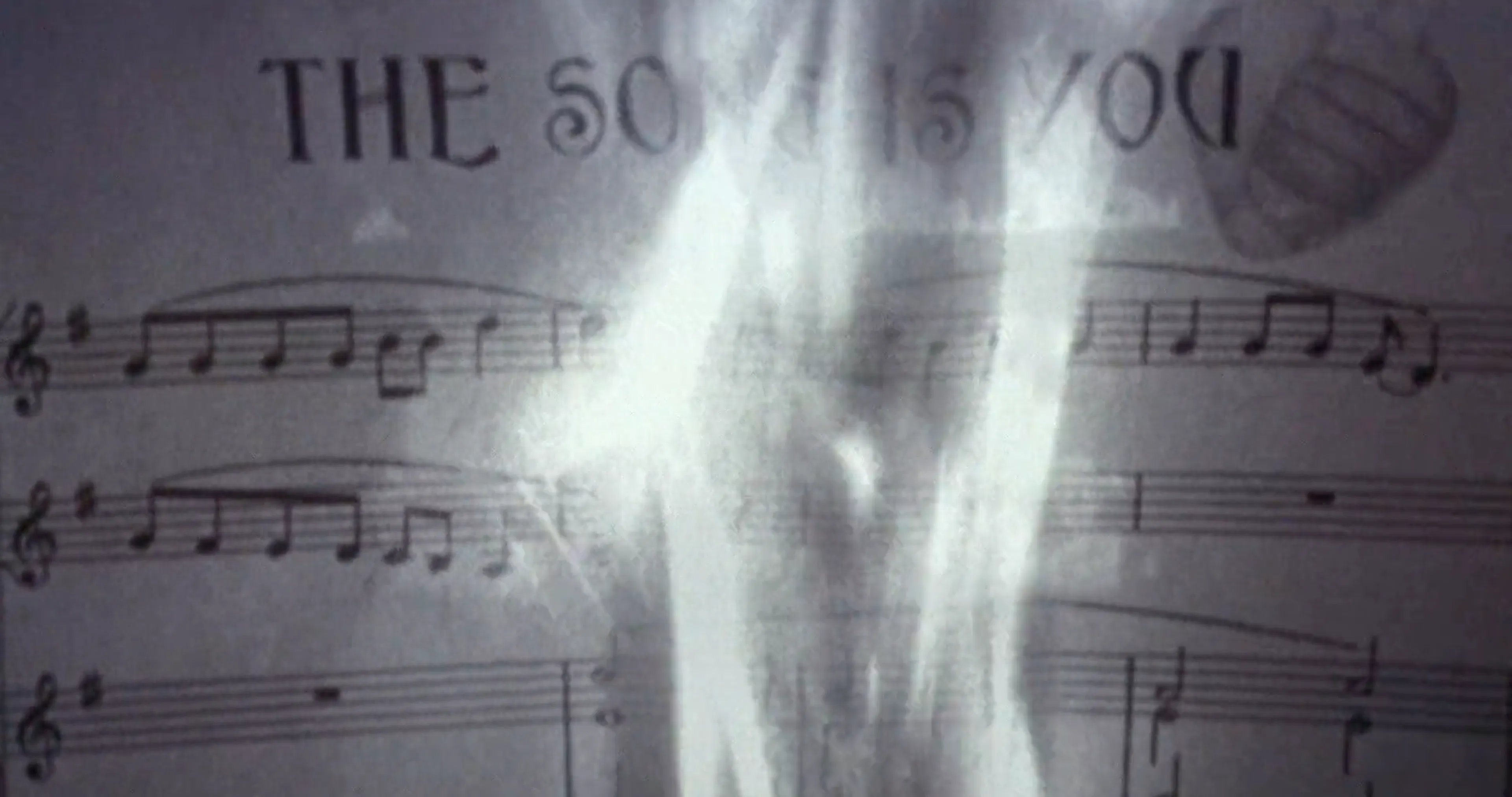
The Saddest Music in the World
Guy Maddin
The story behind the story goes something like this: Kazuo Ishiguro, author of The Remains of the Day, wrote the screenplay for The Saddest Music in the World in the late 1980s.
The original story centred on a contest, co-sponsored by a news organisation and a distillery, in which countries competed by performing the saddest song. The idea seems to have been political and media-critical: the way people, and even nations, are made to perform suffering in order to attract sympathy, aid, attention or money.
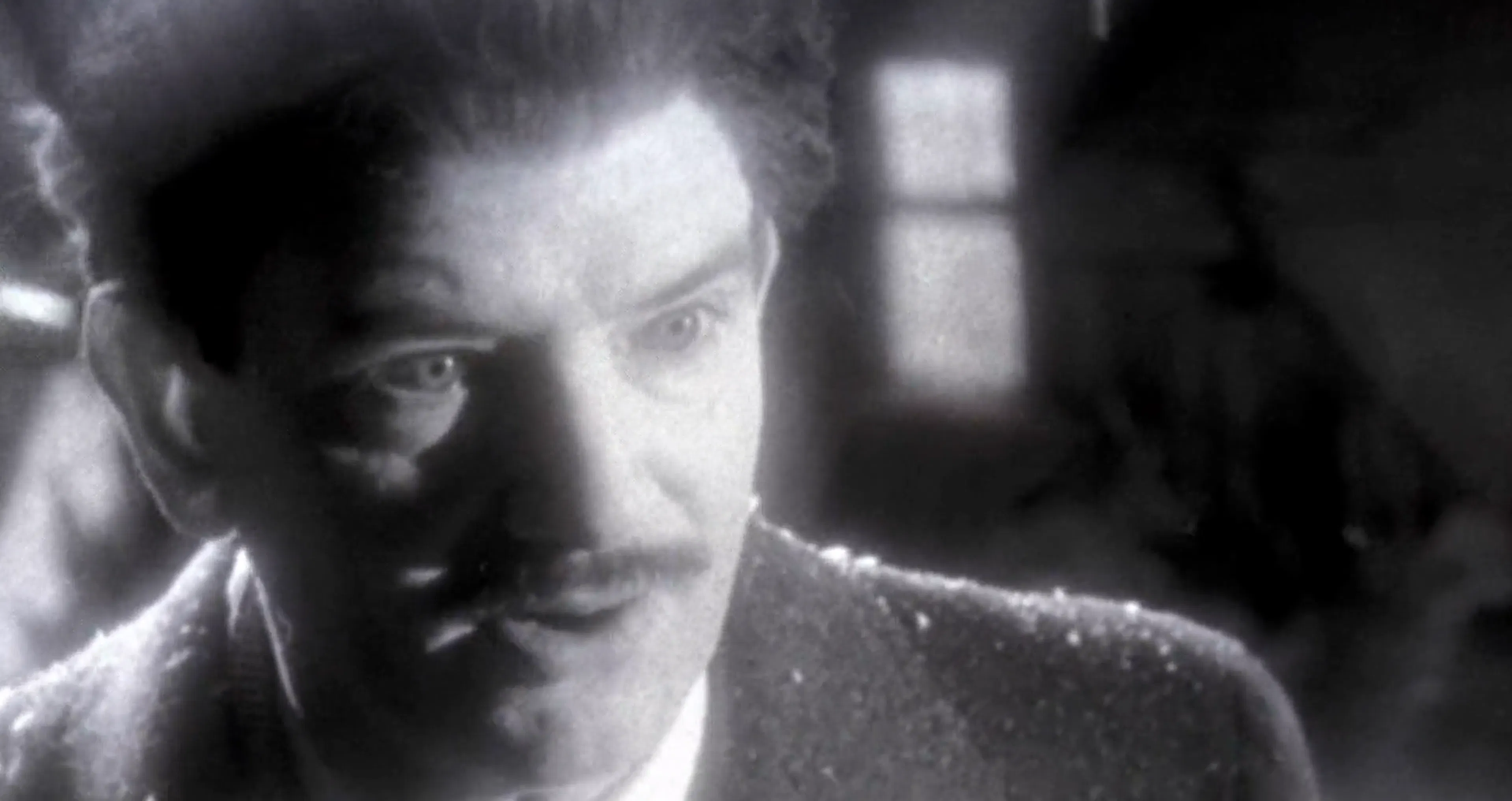
The story was too big for television. It circulated for years among producers and directors before eventually reaching Guy Maddin, who reworked the screenplay with George Toles.
Maddin and Toles kept what they liked most: the title, the premise and the contest to determine which country’s music was the saddest. They were drawn to the idea of sadness becoming false, competitive and performative.
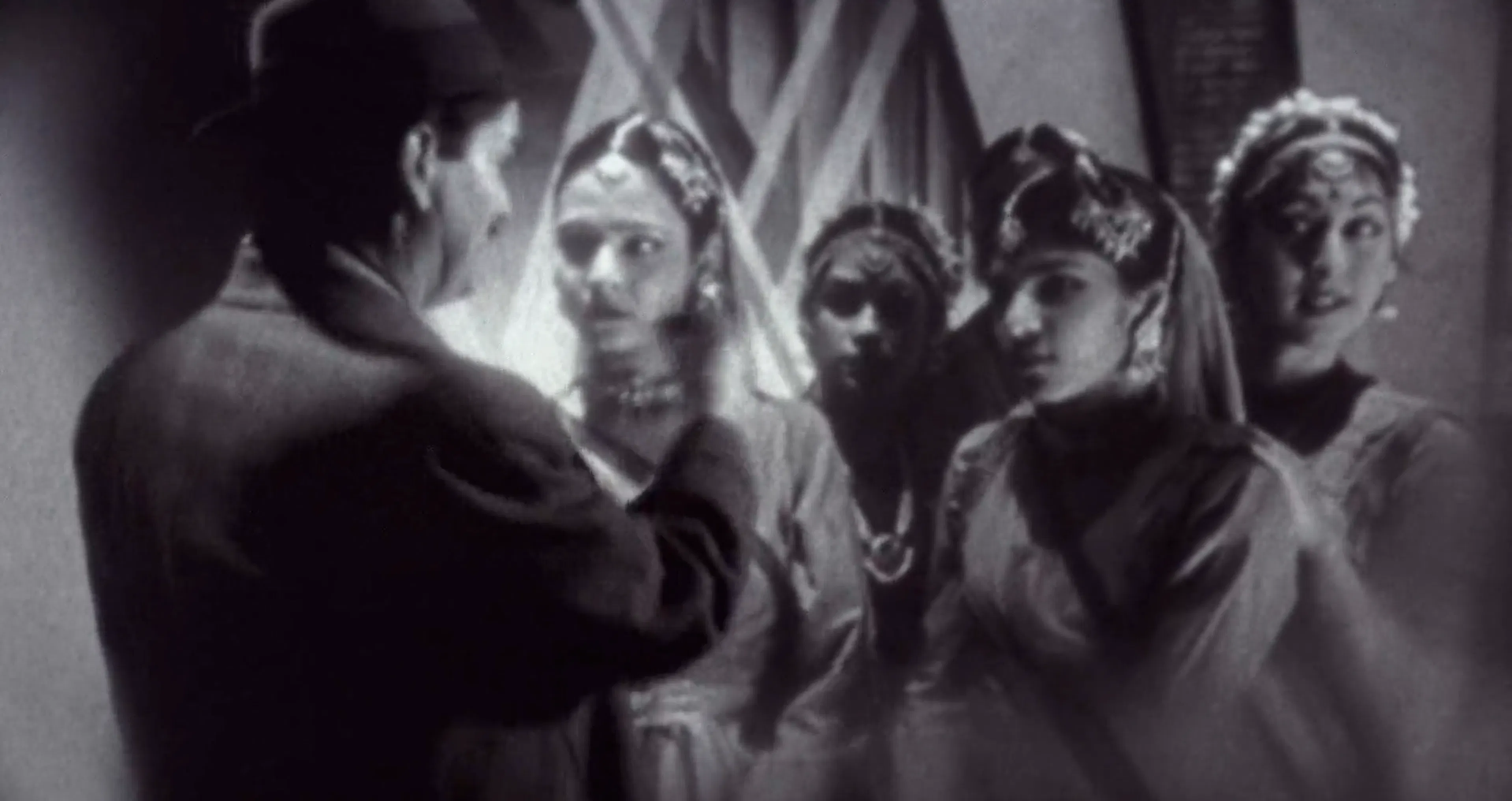
From there, they rebuilt the film around their own obsessions: Winnipeg, the 1930s, Great Depression iconography, family melodrama, amnesia, repressed grief, grotesque comedy and silent-film aesthetics. The result is very far from what Ishiguro had in mind.
The film itself is mad. All Guy Maddin films are.
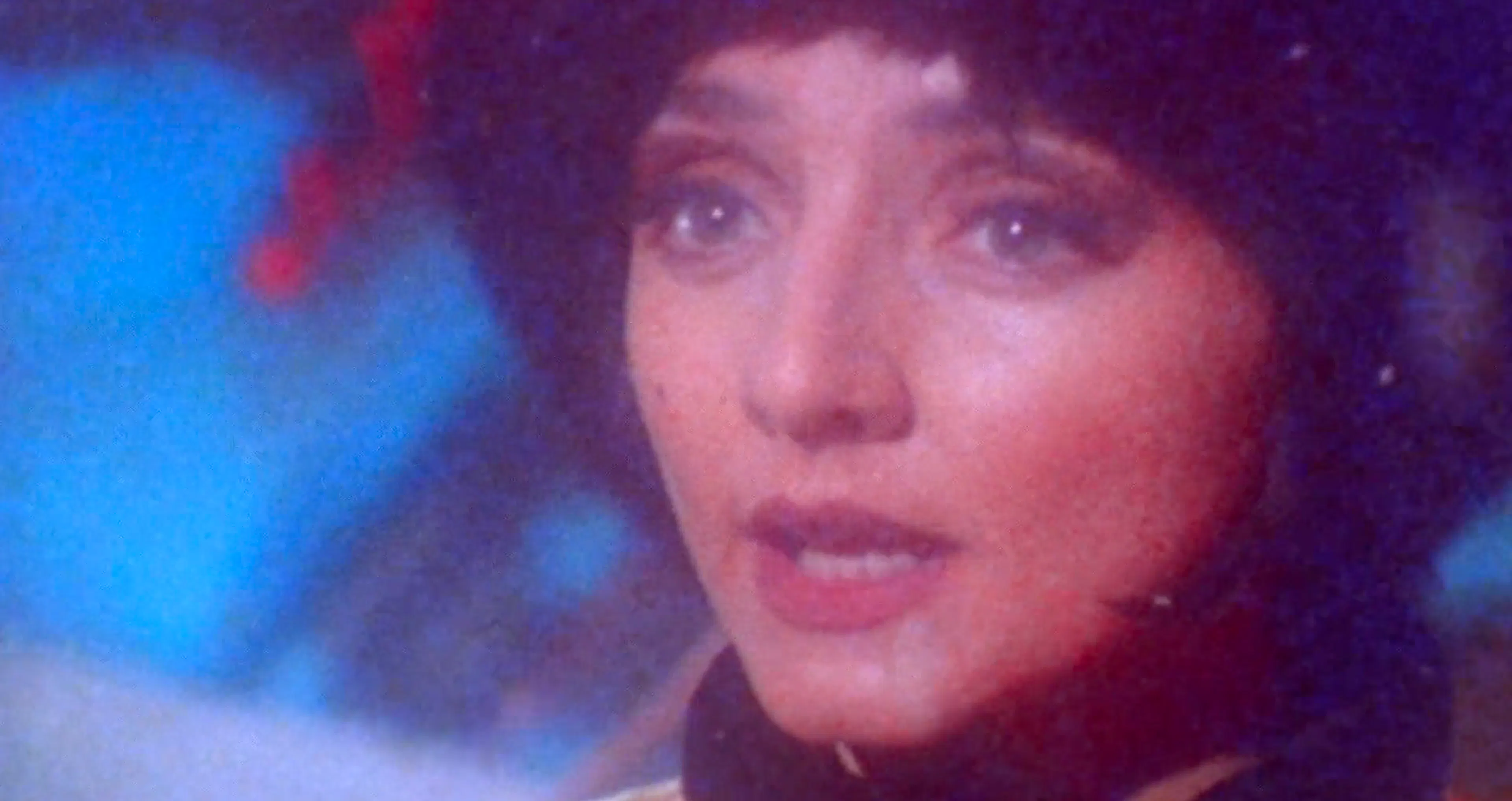
It was not hard to watch, exactly, but it was hard to look at because of the visual aesthetic. A review from the Christian Science Monitor puts this well:
“Maddin’s unique style … [which] carries old-movie nostalgia past the breaking point, making the picture look and sound like a long-ago production that’s been stored under somebody’s bed for the past few decades, and now reaches the screen replete with often-spliced frames and a fuzz-filled sound track. This is no mere gimmick but a core ingredient of Maddin’s aesthetic, which bestows affection and regard on everything we overlook and undervalue in our daily lives.”
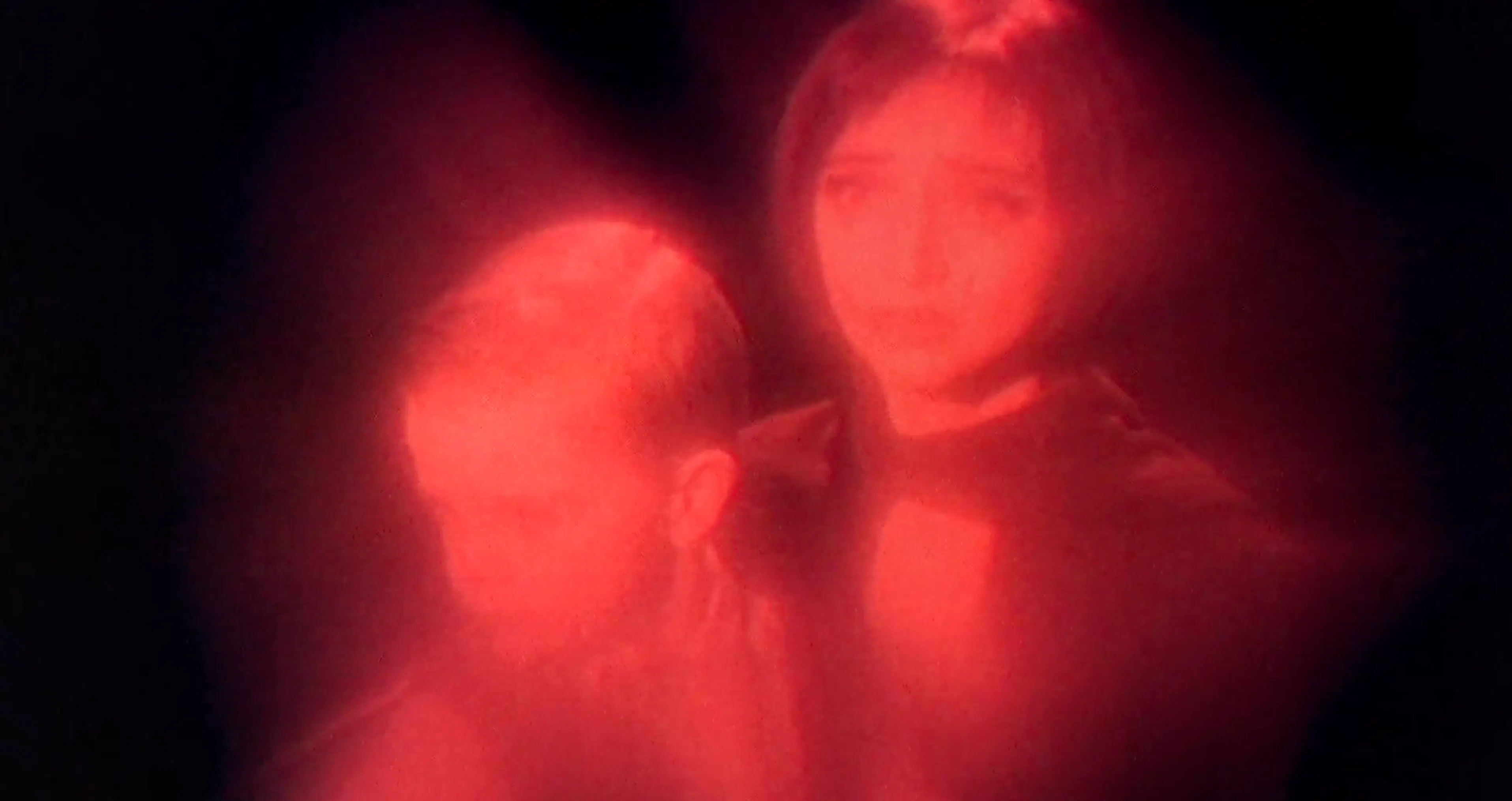
The grainy black-and-white photography and slightly out-of-sync sound are disorienting at times. And the few scenes that mimic early two-strip Technicolor are ghostly. Like I said, hard to look at.
Thematically, though, it is strong. Brilliant, really. I just wish we had been given more sad music.