Dekalog VIII
Krzysztof Kieślowski
rounded out my viewing of Dekalog with the eighth installment. It took a while to find decent subtitles. This episode focuses on the eighth commandment: Thou shalt not bear false witness against thy neighbour.
We begin at the University of Warsaw. A Polish woman from New York visits the university and asks to sit in on Professor Zofia’s ethics lecture. The lecture consists of students presenting ethical problems for discussion. One student raises the case of a doctor and a woman seeking an abortion, which was the subject of Dekalog II.
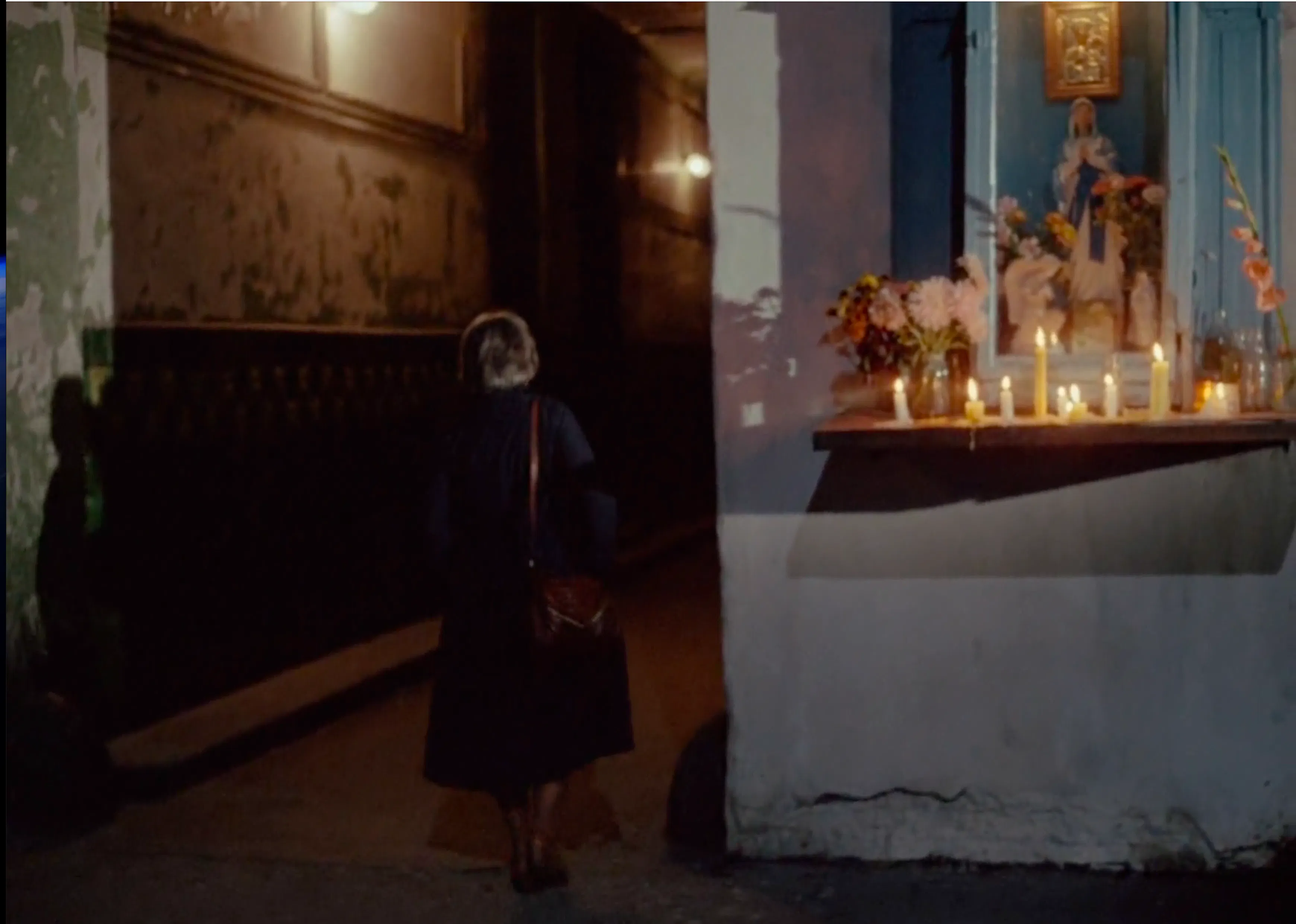
Elżbieta then offers an example drawn from real life, set in 1943 during World War II: a six-year-old Jewish girl whose parents have been sent to the ghetto is promised help from a willing Catholic family, only for the woman of the house to refuse at the last moment and send the girl away just before curfew.
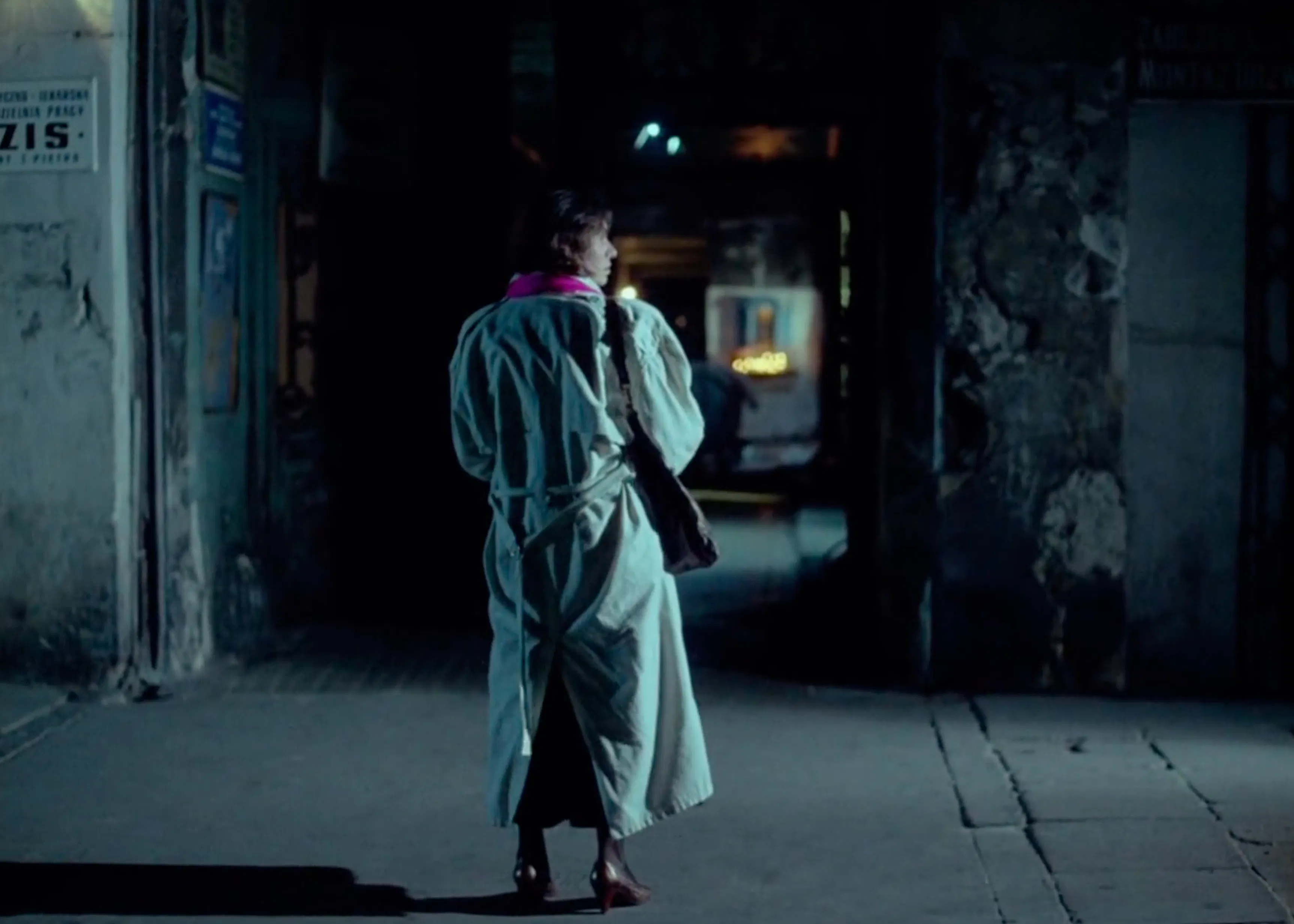
It turns out that Elżbieta is the girl in that story, and Zofia is the woman who refused to help. Elżbieta has come to understand why. Zofia’s husband was an officer in the Polish resistance, and there were reports that the foster family was working with the Gestapo. Helping the girl would have put Zofia at serious risk. Zofia says she has had to live with what she did, and failed to do, during the war.
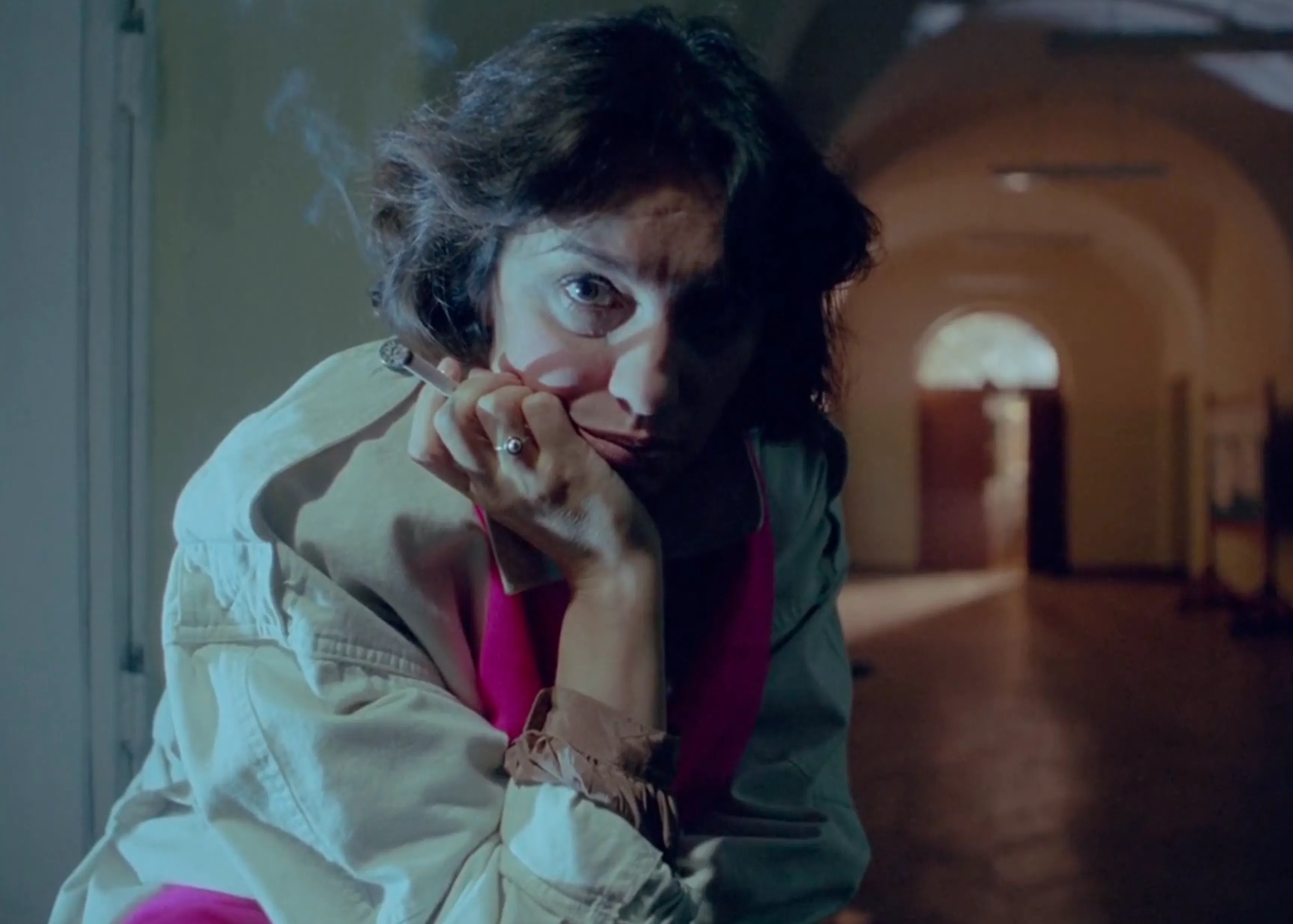
Great installment, though I suspect the subtitles were not perfect. My wife pointed out something interesting: the angel, our recurring character, and the professor both look directly into the camera when the question of judgement comes up during the ethics class. It is as though Kieślowski is inviting the audience to serve as judge and jury.
All told, Dekalog was well worth watching. A fantastic series from a brilliant director.