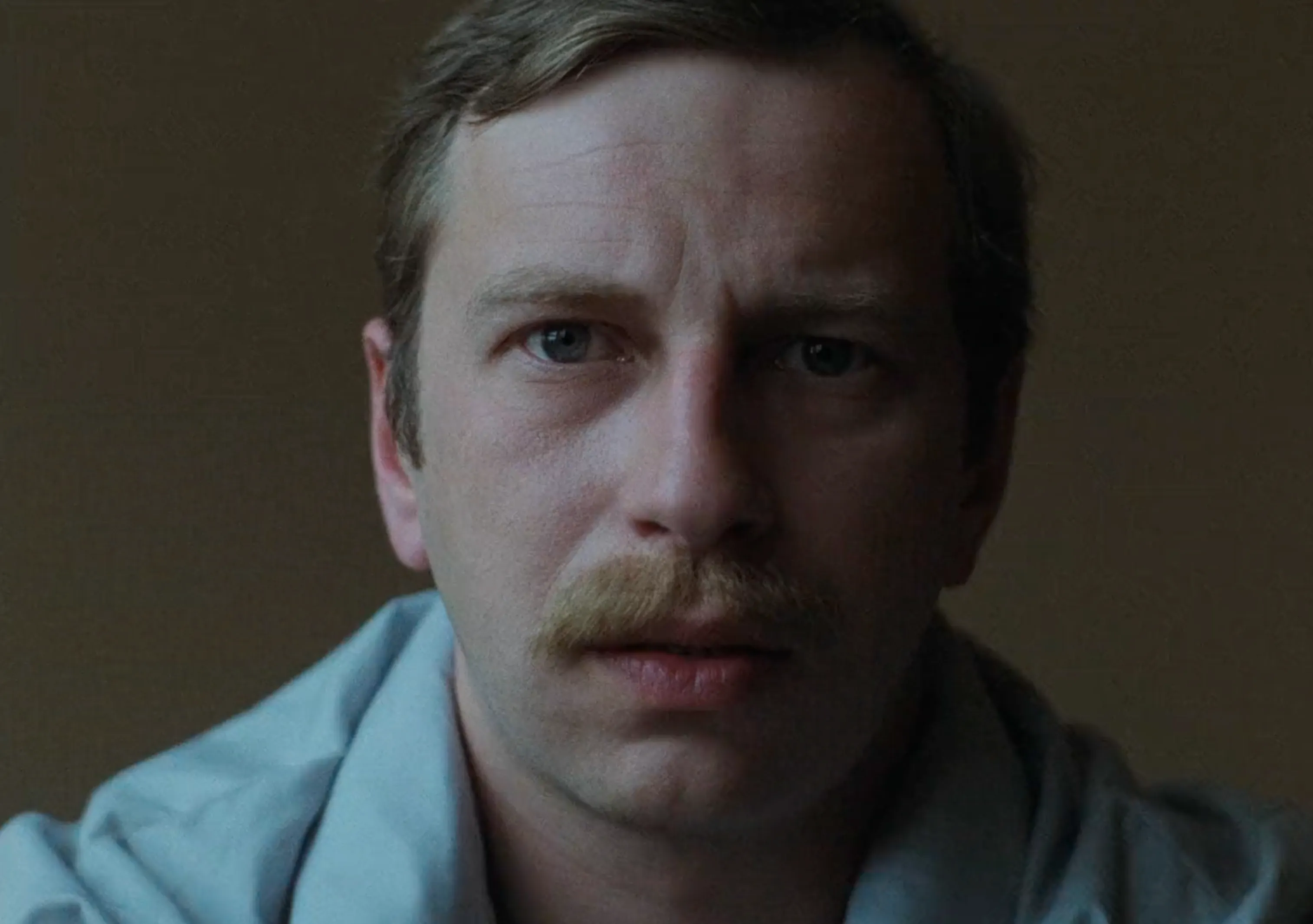
Camera Buff
Krzysztof Kieślowski
Filip Mosz spends most of Krzysztof Kieślowski's Camera Buff searching for a story worth filming. It takes him the whole film to notice he is living one.
We meet Filip at a pivotal moment: the birth of his first child, a daughter. To celebrate, his colleagues give him an 8mm movie camera. Filip suspects it's the wrong gift; wouldn't a still camera be better? He puts it to work anyway, filming his daughter in the hospital and later at home. It's a home movie. He thinks nothing of it.
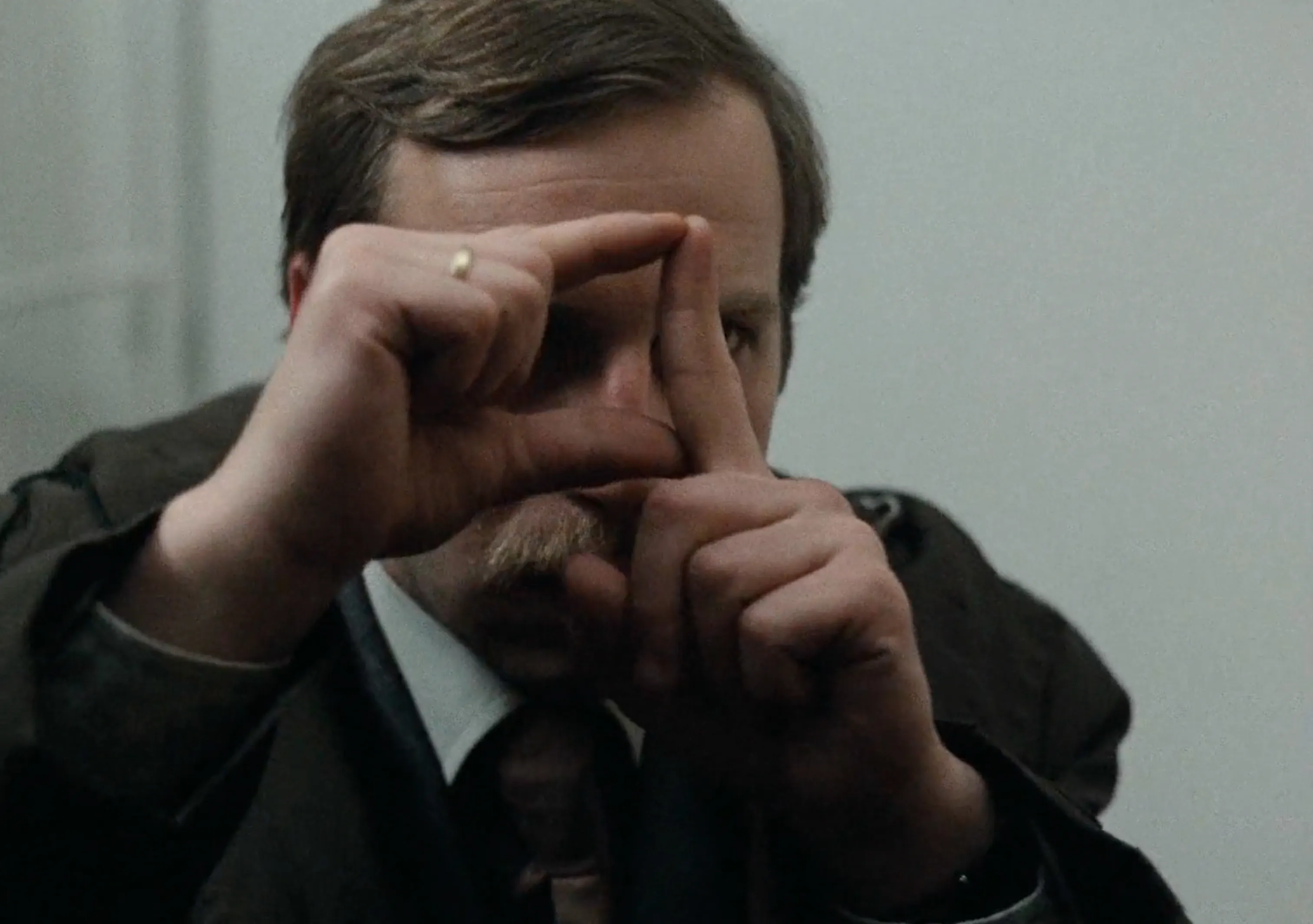
His boss soon asks him to film a jubilee at the factory. Filip agrees, and the work takes over his mind. There are so many possibilities. He chases them while his wife raises their daughter alone. He cuts the footage together and enters it in a competition, where a harsh critic dismisses the whole field: instead of corporate tales, these amateurs should be filming human stories. Filip wins an award anyway, and takes the criticism to heart.
So he goes looking for a human story. Backed by the factory's culture committee, he starts a second film, this one about a worker with dwarfism and the role he plays at the plant. It eats up more time and pushes his wife over the edge. He tells her his passion matters more than their life together. She leaves.
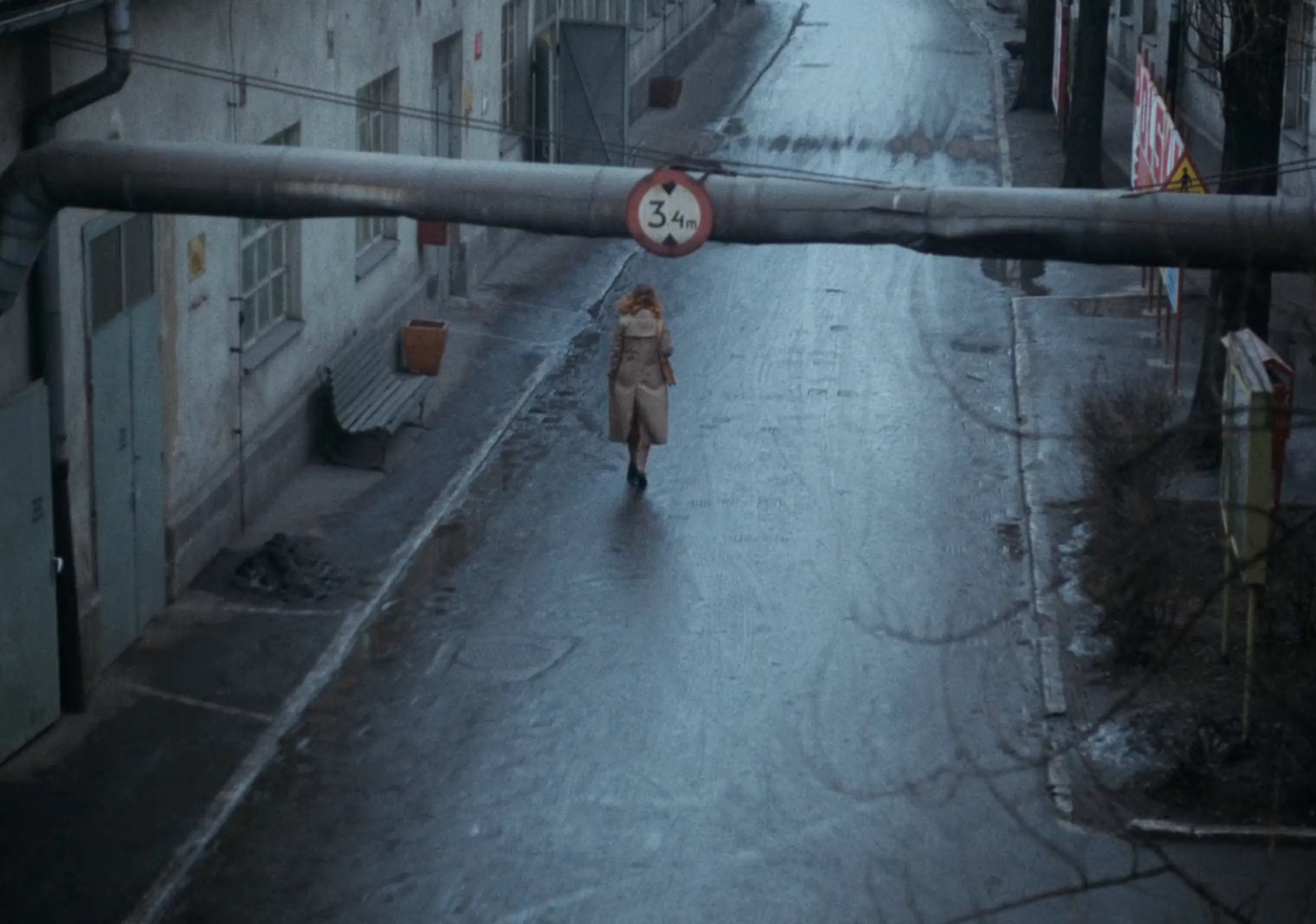
His boss forbids him from showing the finished film. Filip screens it for a visiting director anyway. That audience of one is enough: a colleague loses his job over it, despite Filip's protest. Filip opens the camera and ruins the footage.
So the film leaves Filip with nothing but the thing he chose. His wife is gone. His friend is out of work. His passion is intact. He turns the camera on himself and begins to tell his own story, starting with the night his wife gave birth, which is where Camera Buff began.
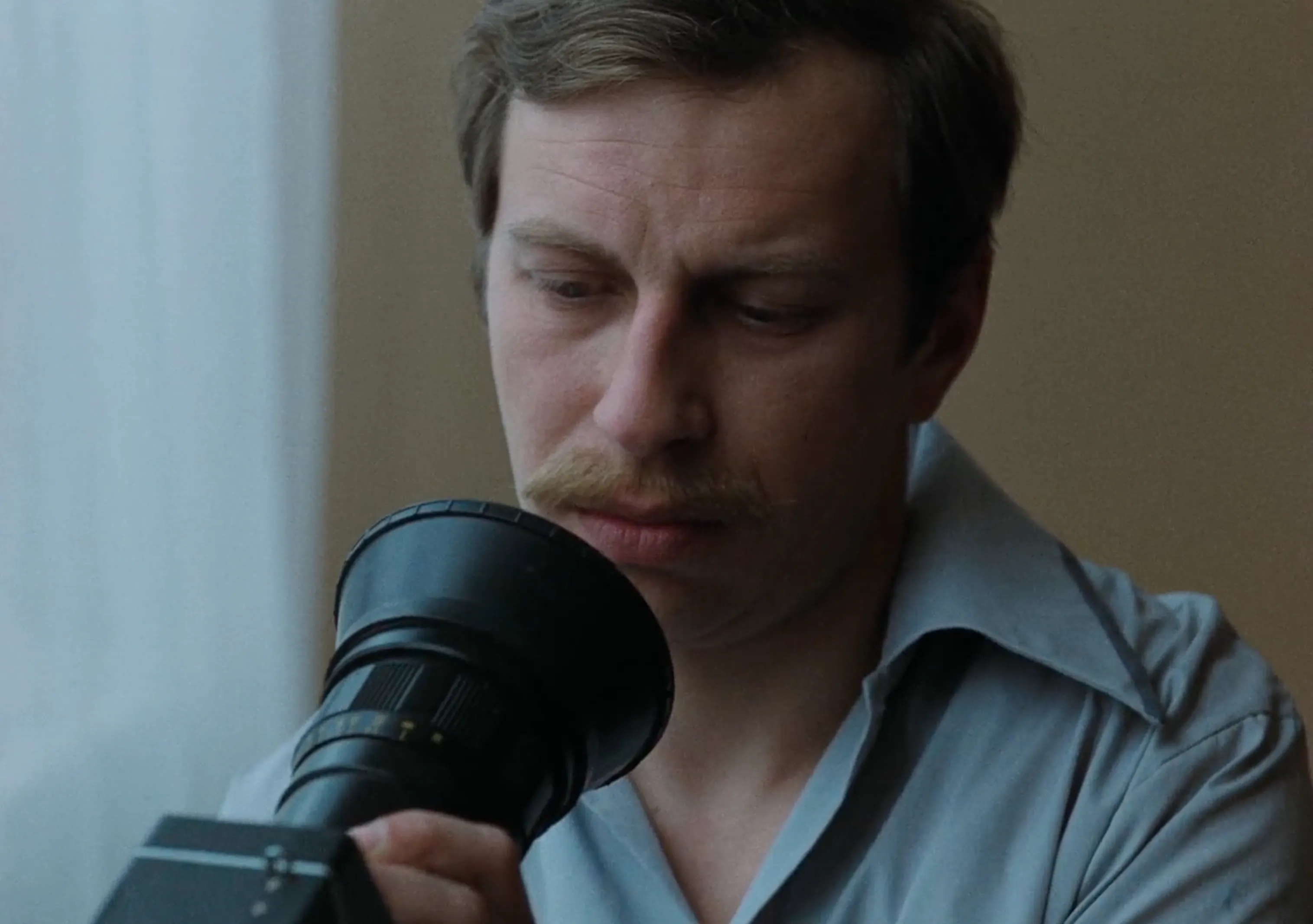
The last scene is the best scene. Filip points the camera at his own face like a gun. When he shoots, surprise crosses his face. What story will he tell?
Camera Buff isn't my favorite Kieślowski, though it carries all the marks of a master in the making. Filip spends the whole film hunting for the human story that critic asked for, and it was on his first roll: a man, a wife, a daughter, a camera he didn't ask for. Kieślowski made that film. Filip is only starting it when we leave him.