Blind Chance
Krzysztof Kieślowski
Life’s single lesson: that there is more accident to it than a man can ever admit to in a lifetime and stay sane.
That line from Thomas Pynchon’s V. captures the narrative throughline of Blind Chance, the latest film in my Kieślowski retrospective. The film presents three separate versions of a medical student named Witek running after a train, and how that ordinary moment might shape the rest of his life.
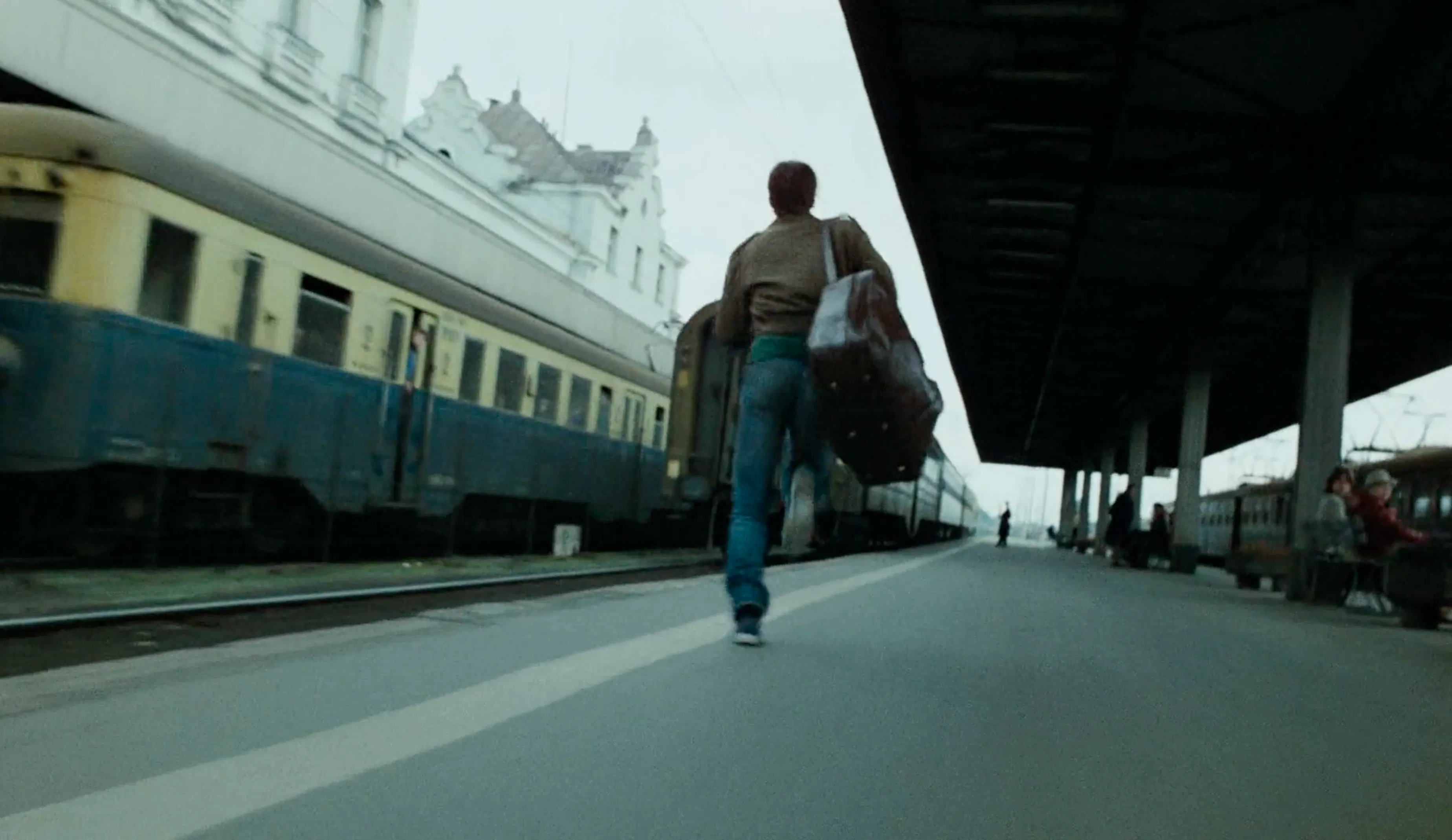
All three storylines begin in the same place. Witek abandons his calling as a medical student after learning of his father’s death. For reasons not fully explained, he decides to take a train to Warsaw. He is late. He runs for the departing train. That’s where the different storylines emerge.
In the first version, Witek catches the train and becomes a communist functionary. In the second, he misses it and collides with a security guard on the platform. The authorities detain him, and he drifts toward the resistance movement. In the third, he misses both the train and the guard. On the platform he reconnects with Olga, the woman he has been dating. They return to his apartment and make the sex! Olga becomes pregnant. They decide to get married. Witek completes his studies and becomes a doctor.
I was not prepared for the opening. The film begins with Witek on an airplane, screaming. We do not understand why until the final moments. A few intense scenes follow. We see a bloodied body dragged down a hospital corridor after his birth. A childhood friend departs, only to resurface later. There is the clinical opening of an elderly woman’s body in medical school. Paired with the score, it made for intense viewing on what I had hoped would be a quiet Friday night. The film settles after that.
A few things stood out.
First, the train. Each time Witek runs for it, tiny details determine whether he makes it. The distinctions are subtle. I only noticed them when I went back to rewatch those scenes. The attention to detail impressed me.
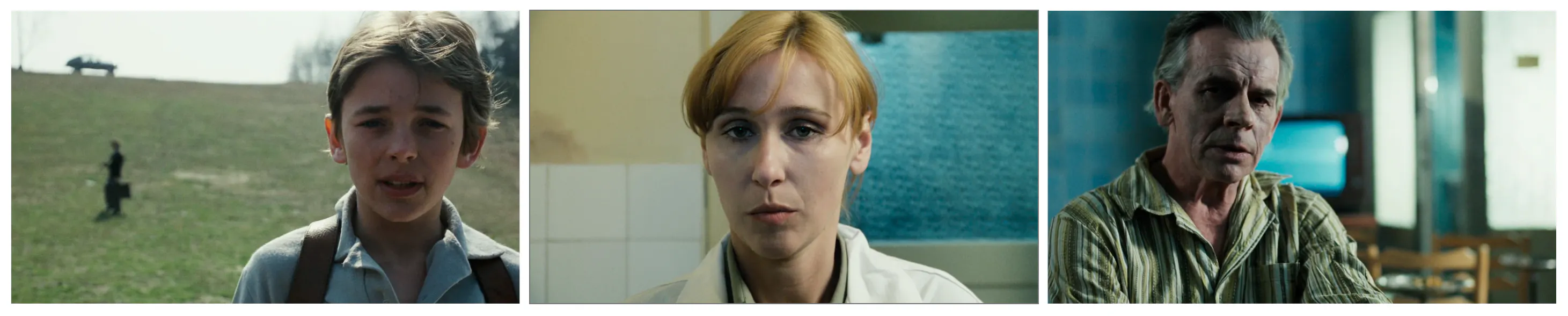
Second, several scenes are shot as if the characters are speaking directly to someone just off camera. At first it feels like a point-of-view conversation. Those moments pulled me in.
Third, in the final storyline, Witek makes a house call to see an elderly patient. As he leaves, he notices two people performing a strange juggling routine. He asks why they do it. There is no explanation, they simply do. That evening, Witek attempts to juggle apples in his kitchen and fails. It’s a small, human moment.
Overall, I enjoyed the film. Many of the political nuances likely escaped me. Still, the central idea endures: the smallest turn of timing can alter a life without our awareness. It left me wondering how often chance has shaped my life.